Clean Your Own House First
 Kristen Withers
Contributor
Kristen Withers
Contributor
The ICE panic in Bloomington this week has the usual shape. Unmarked SUVs become a raid. A banner goes up at City Hall. Someone posts “spotted.” Someone else posts “kidnapped.” By nightfall the legal fact of the week—the sheriff’s office agreeing it will no longer forbid its people from talking to federal immigration officers—has been buried under a morality play.
Shrug. Federal immigration law is not a secret. People who live here without status are not cartoon villains. Many work. Many have families. Many would be decent neighbors on a block that was not already short of cheap rooms. None of that changes the first rule: they did not follow the rules that decide who gets to stay.
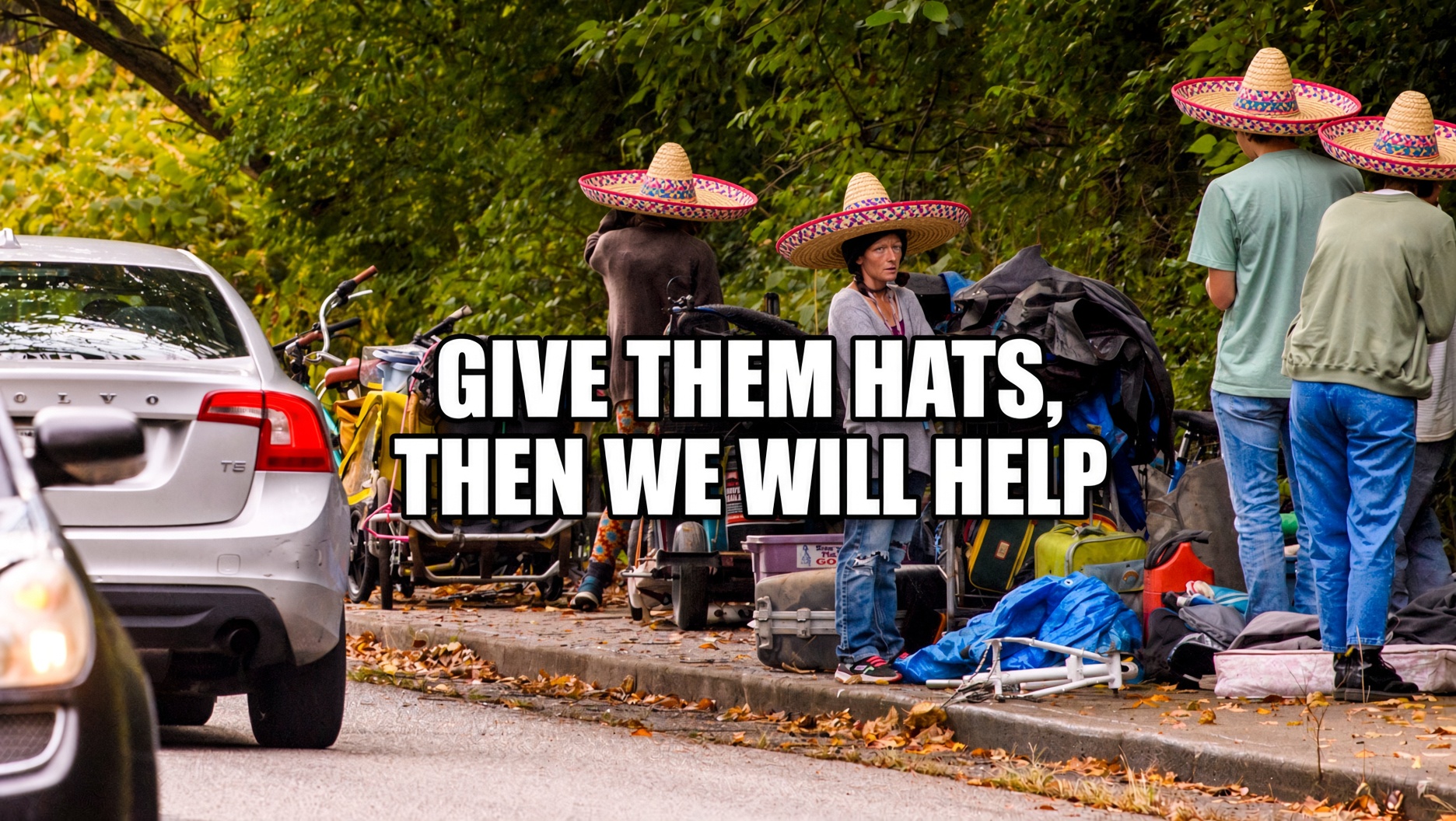
Bloomington’s professional conscience has a different first rule. It is very loud about the unhoused. It is very proud of the tents, the winter clothing drives, the statements about dignity. That noise photographs well. It does not invent apartments. It does not invent a spare motel room that a man leaving a camp can actually afford after he gets a job washing dishes or stocking shelves.
Those rooms are finite. The jobs that pay just enough to step off the street are finite. When a large share of the bottom of the housing and wage market is already spoken for by people who are not supposed to be in the queue, the local person coming off a cot or a riverbank is competing with a shadow demand the city pretends not to see. You can call that economy informal, immigrant, or undocumented. The effect is the same. The cheapest rung is crowded. The people the city claims as its moral special project lose.
This is not an argument that every person without papers stole a bed from a veteran under a bridge. It is an argument about order. A town that will not distinguish between a resident it is obliged to house and a guest who skipped the line will keep discovering that compassion, unranked, is just a shortage with better lighting.
Virtue is cheap on a phone. The harder move is the one you make at home. You clean your house. You put your own things back where they belong. You tell the neighbor who has been sleeping on the couch that he has to go, and no, he cannot keep borrowing the last blanket, because that blanket is for the people who live here. That sentence sounds cold until you remember who has been asking Bloomington to produce clothing and housing it does not have.
If the undocumented household is a good household, the lawful path still exists. If the homeless resident is a messy resident, he is still the city’s first claim. A city that cannot say that out loud will keep crying on camera and wondering why the camps refill, why Bedford and the rest of the ring fill with overflow, and why every new “solution” is already occupied when the person they promised to help finally walks in the door.
Thoughts · 1