From Empty Depot to Open Ground: Bedford’s Quiet Shift Toward Usable Parks
 Mr.Newz
Contributor
Mr.Newz
Contributor
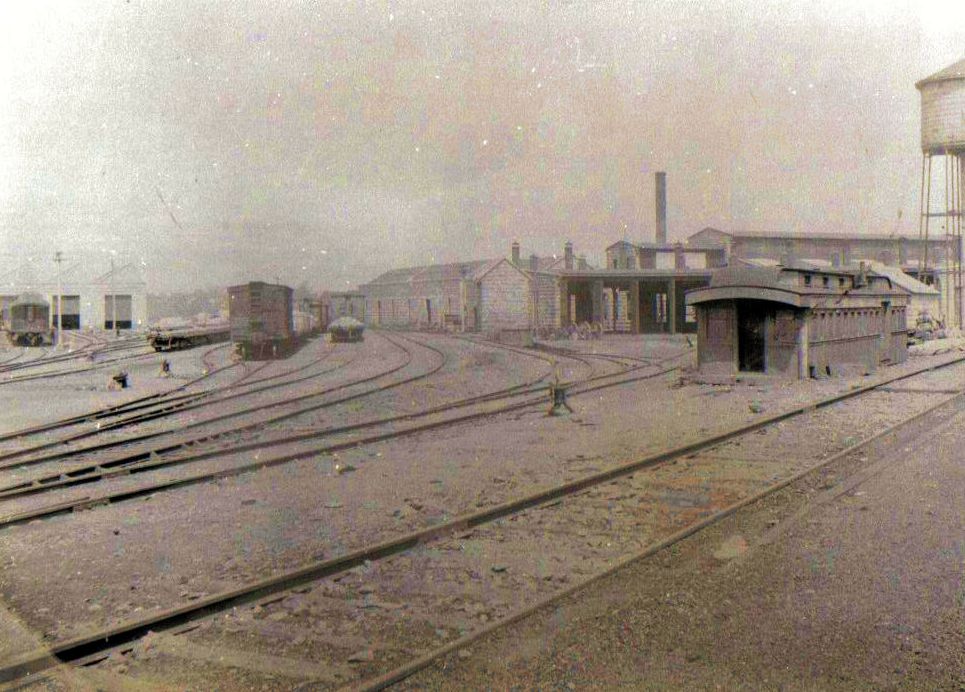
BEDFORD — The old Monon Depot on J Street is gone. Fire finished what years of vacancy had started, and the vacant landmark that once sat on Indiana Landmarks’ 10 Most Endangered list is now cleared ground. In its place, the City of Bedford and the Bedford Urban Enterprise Association are planning a new downtown park built around an inclusive playground.
The partnership is straightforward. The BUEA owns the former depot property along with adjacent land to the north, giving the project enough room for more than a simple pocket park. The city is working with them to turn the site into a multi-use recreational space that prioritizes accessibility and everyday usefulness over nostalgia.
What the New Park Is Meant to Be
Early plans call for high-quality play equipment designed for children of all abilities, soft-surface flooring for safety, dedicated picnic areas, and convenient parking for families already coming downtown. A key feature is a connector path that will link the park directly to the Milwaukee Trail, the popular rail-trail that already draws walkers and cyclists through the area. That connection is intentional. It ties a new public space into an existing one instead of leaving the park isolated on the edge of the square.
The project remains in the planning stages, but the priorities have been consistent since the announcement: inclusion, safety, and practical access. Organizers are not promising a destination attraction. They are aiming for a usable piece of downtown that works for families, caregivers, and anyone who simply wants a place to sit or let children play near the commercial core.
The Same Logic Across Town
While attention has focused on the former rail site just north of the square, quieter work has already been finished on the other side of town. At Garden Park on H Street, the Parks Department recently added a ceiling to the pavilion to keep birds out of the rafters and converted the old gravel walking path to a smooth paved surface. Free garden plots remain available to residents, and the small park continues to serve as a practical neighborhood space rather than a destination attraction.
The two projects sit in different parts of the city and serve different purposes, yet they share the same underlying choice. Instead of chasing large signature developments or prolonged historic restoration battles, Bedford has been directing limited resources toward spaces people can actually use—playgrounds that work for children of varying abilities, paths that are easier to walk, and open ground that invites people to stay awhile.
Clearing the Past Without Erasing It
The Monon Depot carried real local history. Its loss is not nothing. But the decision to clear the site rather than leave it as a costly, unsafe shell reflects a practical reading of what the town can sustain. The same pragmatism shows up at Garden Park, where the upgrades are small, visible, and immediately useful. No grand redesign. Just better surfaces and a cleaner pavilion.
Together the projects suggest a quiet shift in how Bedford thinks about its public spaces. The limestone heritage and railroad past still matter, but they are no longer treated as the only story the city can tell. The newer emphasis is on whether a piece of ground can serve families, walkers, and everyday residents without requiring constant heroic effort to keep it alive.
What the Change Looks Like on the Ground
A downtown park that ties into the existing trail system gives the commercial square something it has lacked: a reason for people to linger without first opening their wallets. Picnic tables, accessible play equipment, and a short path to the Milwaukee Trail create a simple loop of activity that supports both recreation and the businesses nearby. A neighborhood park with a paved path and a usable pavilion does the same thing on a smaller scale.
Neither project reinvents the city. Both make the existing one a little more livable. In a town that has spent years balancing empty storefronts, aging infrastructure, and limited budgets, that quieter approach may prove more durable than bigger promises. Bedford is not trying to become something it is not. It is simply choosing, in different corners of town, to turn liabilities into ordinary public goods—and to do it in ways that match the size of the place and the resources at hand.
No thoughts yet — be the first.