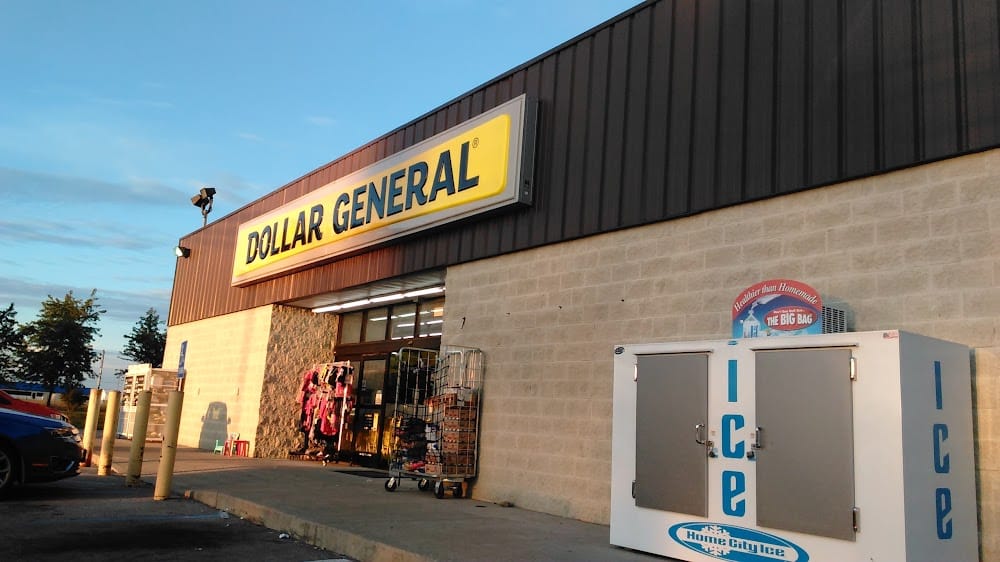
Not Satire, Lawrence County's Dollar General density is double state average
 Mr.Newz
Contributor
Lawrence County’s roughly dozen Dollar General stores serve a population of about 45,600, equating to approximately 21–22 locations per 80,000 residents. That figure is roughly double Indiana’s statewide average of about 10 stores per 100,000 (or roughly 8 per 80,000), placing the county among the denser markets for the chain in the state.
The stores sit in the disposable merchandise market a high-volume, low-price segment focused on consumables, household basics, and limited-shelf-life goods rather than fresh produce or durable items. Dollar General’s small-box format is built for frequent, modest trips, which is why the company clusters locations in rural counties like Lawrence where larger full-service grocers are thinner on the ground.
Workers and public records have repeatedly described the stores as chronically understaffed. Lean schedules that leave one or two employees covering the floor, stockroom, and register for long stretches have been cited in OSHA findings, lawsuits, and employee accounts over multiple years. The model keeps labor costs low and channels a larger share of sales back to the parent company, Dollar General Corporation, headquartered in Goodlettsville, Tennessee. A 2025 customer complaint from Kokomo, Indiana, described multiple local Dollar Generals as understaffed to the point that aisles were blocked by unopened boxes and staff had to lock the doors to use the restroom — a pattern consistent with broader reporting on the chain’s labor model. (The Sun)
Regional pushback has followed similar density elsewhere in Indiana. In East Central Indiana, reporting has linked the proliferation of dollar stores to the deepening of food deserts after traditional grocers closed. (Ball State Daily News) In Vigo County, residents of Prairieton successfully opposed a new Dollar General location near a church, citing redundancy with nearby stores, limited staffing and job quality, and a preference for options that might offer more fresh food. Other Indiana communities, including Hope and Edinburgh, have denied or resisted new Dollar General proposals for related reasons. (Indiana Economic Digest / WFIU)
By comparison, Family Dollar maintains a much lighter presence across Indiana — roughly one-quarter the number of locations Dollar General operates statewide. In Lawrence County the gap is visible: Dollar General signs appear more often along the main roads and in the smaller towns, while Family Dollar remains sparse. The result is convenient access to basic goods for many residents, delivered through a format that prioritizes high turnover and minimal staffing over deeper local retail investment.
No thoughts yet — be the first.